When Precision Matters More Than Power
Not every high-output day is built on stimulants and brute force. For many performance-focused individuals, the real edge comes from metabolic clarity — the ability to fuel the body efficiently, draw on stored energy reserves, and stay sharp without the interference of unnecessary hormonal noise. HGH Fragment 176-191 was developed with exactly this philosophy in mind.
This peptide isolates the lipolytic segment of human growth hormone — the part responsible for fat breakdown — and delivers it as a standalone, controllable molecule. The result is a targeted metabolic tool that supports the body's ability to use fat depots as an energy source, without activating the broader anabolic mechanisms associated with full HGH. For those who value a clean, precise approach to body composition and energy availability, HGH Fragment 176-191 represents a genuinely distinct option.
What Is HGH Fragment 176-191?
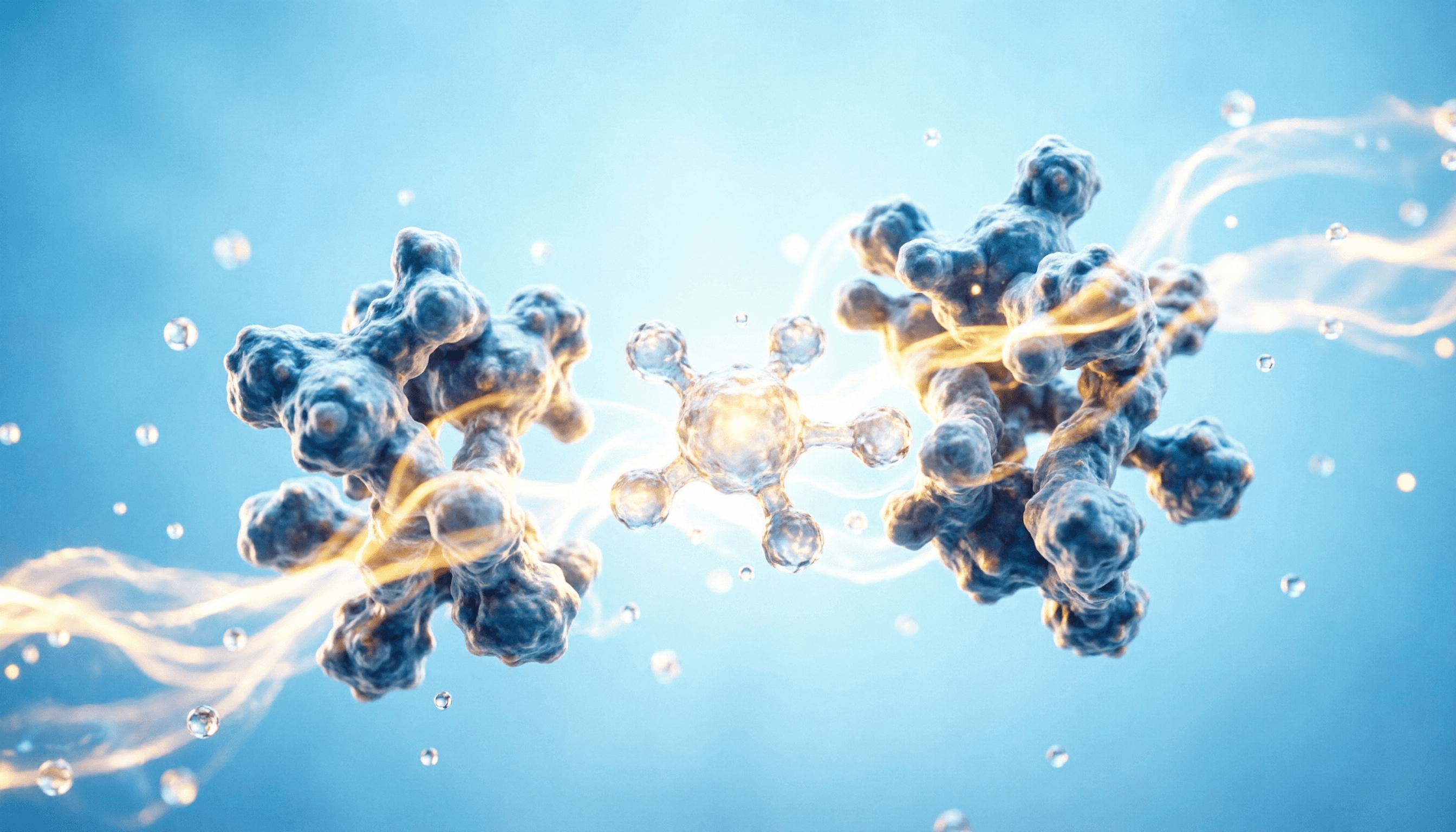
HGH Fragment 176-191 is a specific amino acid sequence extracted from the C-terminal region of human growth hormone — positions 176 through 191, to be exact. Researchers identified this segment as the primary site responsible for HGH's fat-metabolizing activity. By isolating and synthesizing it independently, they created a peptide that focuses almost entirely on lipolysis.
Each unit from Olympus Meds contains 5mg of the active fragment, formulated for research-grade consistency. Unlike full growth hormone, this fragment does not bind to IGF-1 receptors or initiate the anabolic signaling cascade. Its mechanism is narrower, more defined, and — for the right user profile — considerably more appropriate.
The Science Behind Targeted Lipolysis
Lipolysis is the process by which the body breaks down stored triglycerides into free fatty acids, which can then be used as fuel. Growth hormone has long been known to support this process, but full HGH carries a wide range of additional effects — some of which may be undesirable when fat metabolism is the sole objective.
HGH Fragment 176-191 sidesteps this complexity. It engages the fat cell signaling pathways that govern lipid release and oxidation, supporting the body's capacity to mobilize and utilize fat stores as an energy source. This makes it particularly relevant during periods of caloric discipline, structured training, or any phase where metabolic efficiency is the priority rather than tissue growth.
Why HGH Fragment 176-191 Stands Apart from Full HGH
The distinction between HGH Fragment 176-191 and full growth hormone is not merely chemical — it is strategic. Full HGH influences a broad hormonal landscape: it stimulates IGF-1 production, supports muscle protein synthesis, affects insulin sensitivity, and triggers a cascade of downstream effects. These properties are valuable in certain contexts, but they also introduce variables that many users would prefer to avoid.
HGH Fragment 176-191 removes those variables. It is not an anabolic peptide. It does not drive tissue growth, alter insulin dynamics in the same manner, or engage the pituitary-IGF axis. What it does — and does with considerable specificity — is support fat metabolism at the cellular level. This is the definition of a precision tool: designed for a single, well-defined purpose.
Key Characteristics at a Glance
- Mechanism: Isolated lipolytic activity derived from the C-terminal region of HGH
- Primary function: Supports fat breakdown and mobilization of stored fat as energy
- Anabolic activity: Absent — does not activate IGF-1 or muscle growth pathways
- Composition: 5mg per unit, research-grade formulation
- User profile: Those seeking metabolic precision without hormonal breadth
- Approach: Controlled, targeted, compatible with structured metabolic strategies
HGH Fragment 176-191 in the Context of Focus and High-Output Workdays
Mental clarity and physical output are deeply connected to how efficiently the body manages energy. When fat metabolism is functioning well, the body has access to a dense, sustained fuel source — one that supports stable energy levels rather than the peaks and crashes associated with glucose dependency. This is where HGH Fragment 176-191 intersects with the demands of a high-output day.
By supporting the mobilization of fat stores, this peptide contributes to a metabolic environment where energy availability is less dependent on moment-to-moment food intake. For professionals, athletes, or anyone navigating cognitively demanding schedules, this kind of metabolic stability has real practical value. The peptide does not act as a stimulant — its contribution is quieter and more foundational, operating at the level of cellular energy infrastructure.
Supporting Peptides Worth Considering
While HGH Fragment 176-191 is complete as a standalone lipolytic agent, some users incorporate it within broader metabolic strategies. In those contexts, two peptides from the Olympus Meds catalog are worth understanding.
NAD+ is a coenzyme central to mitochondrial energy production and cellular metabolism. Its role in how efficiently cells convert fuel — whether from fat or carbohydrate — into usable energy makes it a natural complement to any metabolic protocol. As NAD+ levels decline with age, supporting them directly can meaningfully influence energy output and cognitive sharpness.
For those whose goals extend beyond pure fat metabolism into broader body composition work, Tesamorelin — a synthetic GHRH analog — stimulates the pituitary gland to release endogenous growth hormone in a controlled, physiological manner. It influences visceral fat and overall metabolic profile without the blunt-force approach of exogenous HGH. Used alongside HGH Fragment 176-191, it represents a layered but still precise metabolic strategy.
Who Is HGH Fragment 176-191 Designed For?
This peptide is not for everyone, and that specificity is part of its value. It is best suited to individuals who already understand their metabolic baseline and are looking for a refined tool to support a specific outcome: more efficient fat utilization, improved body composition over time, and a cleaner energy profile during demanding periods.
It is particularly well-aligned with people who have deliberately chosen to avoid the broader hormonal effects of full growth hormone, whether due to personal preference, protocol design, or a desire to keep their approach as targeted as possible. The 5mg format available at Olympus Meds reflects this precision — a measured, research-grade quantity intended for deliberate use within a considered strategy.
Where to Find HGH Fragment 176-191 at Olympus Meds
Olympus Meds offers HGH Fragment 176-191 in its dedicated peptide catalog, with each unit containing 5mg of the active fragment. The product page provides full compositional details and is the right starting point for anyone evaluating this peptide for their research or personal wellness protocol.
For researchers or practitioners working at scale, the Olympus Meds bulk program offers access to larger quantities with the same commitment to quality. Whether you are building a protocol for a single cycle or managing a broader research program, the bulk option is worth reviewing for its efficiency and value.
You can also check current product availability and fulfillment timelines on the order status page before placing your order — a straightforward way to plan your supply without uncertainty.
Final Thoughts on a Precision-First Approach
In a landscape crowded with broad-spectrum compounds and complex stacks, there is genuine value in a peptide that does one thing exceptionally well. HGH Fragment 176-191 does not try to recompose the body through multiple hormonal channels. It supports fat metabolism — precisely, controllably, and without the noise of anabolic side effects. For anyone building a high-output lifestyle on a foundation of metabolic intelligence, that kind of precision is not a limitation. It is the point.
Olympus Meds is committed to providing research-grade peptides with transparent formulations and reliable supply. Explore the full catalog, review your options, and build your protocol with the same precision the science deserves.
Frequently Asked Questions
How does HGH Fragment 176-191 differ from AOD-9604?
Both peptides are derived from growth hormone and focus on fat metabolism, but they are distinct molecules with different structural origins. HGH Fragment 176-191 is the direct C-terminal segment of HGH (amino acids 176–191), while AOD-9604 is a modified version of that same region with an additional chemical modification. Both support lipolysis and avoid anabolic activity, but their precise receptor interactions and research profiles differ. Users and researchers typically evaluate them based on their specific protocol requirements.
Does HGH Fragment 176-191 affect insulin or blood glucose?
One of the noted characteristics of HGH Fragment 176-191 is that it does not appear to significantly affect insulin sensitivity or glucose metabolism in the way that full growth hormone can. Because it does not activate the IGF-1 axis or the broader anabolic pathways of HGH, it is generally considered metabolically cleaner in this respect. However, all peptide use should be approached within the context of individual health status and professional guidance.
Can HGH Fragment 176-191 be used as part of a broader metabolic protocol?
Yes — many users incorporate HGH Fragment 176-191 as one component within a layered metabolic strategy. Its targeted lipolytic action makes it compatible with other peptides that address different aspects of energy metabolism, body composition, or hormonal support. As noted above, compounds like NAD+ and Tesamorelin operate through distinct mechanisms and can complement the fragment's role without duplicating it. Protocol design should always reflect individual goals, current health status, and informed research.