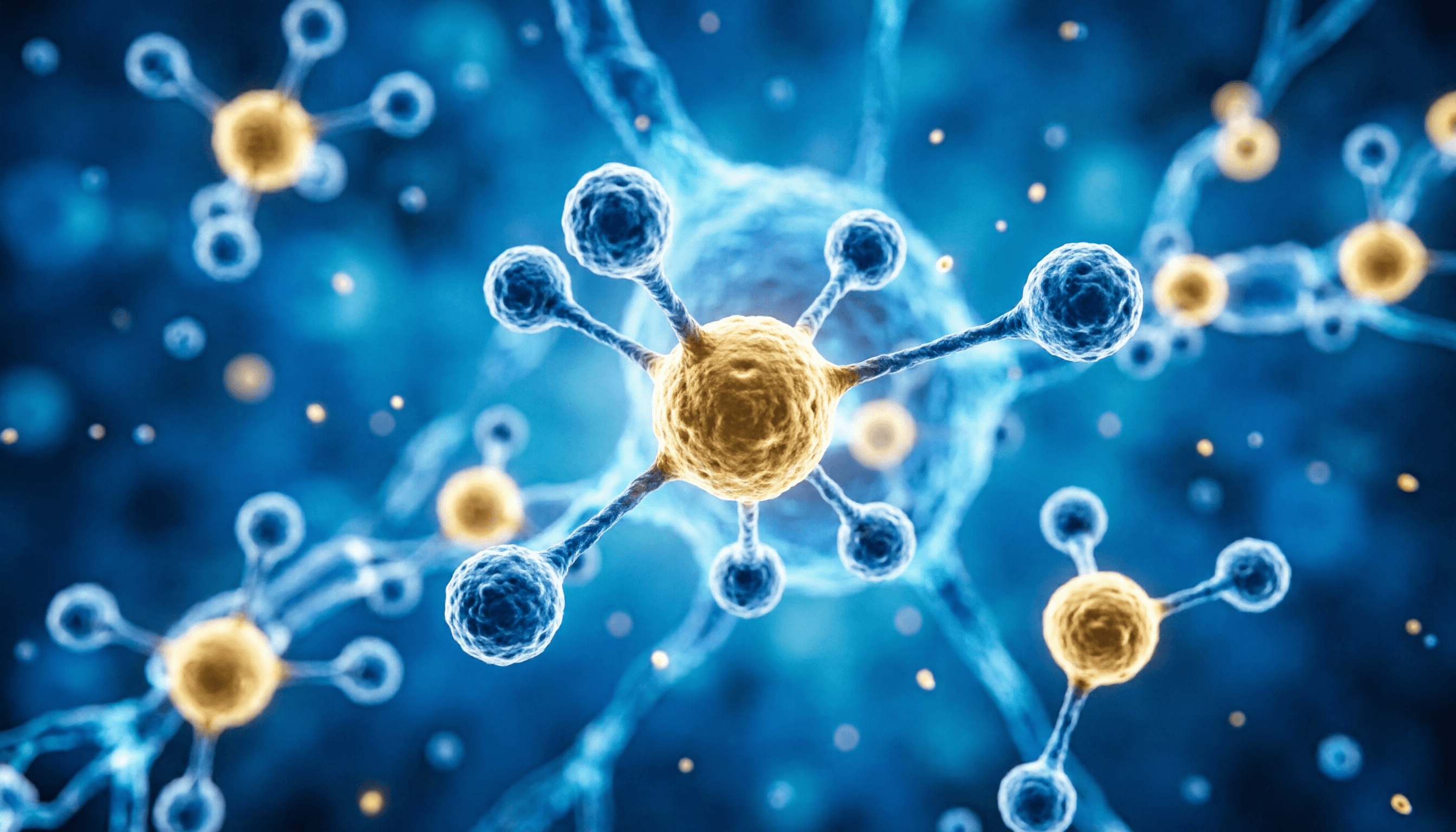
Frequent travel, shifting time zones, and unpredictable daily schedules do more than disrupt sleep. They interfere with the neurological signals that govern motivation, desire, and the mental readiness to perform. When the brain's regulatory chemistry is thrown off balance, even the most disciplined routines can feel hollow. This is precisely where a CNS-targeted approach becomes not just useful, but strategically essential.
PT-141 is a neuropeptide that operates on a fundamentally different level from most compounds in modern wellness. Rather than influencing hormonal axes or endocrine pathways, it acts directly on melanocortin receptors in the central nervous system, addressing the neurological roots of motivation, behavioral drive, and desire. For individuals whose performance consistency is regularly tested by disrupted schedules, PT-141 represents a genuinely distinctive tool.
What Makes PT-141 Different From Classical Peptides
Most peptides in a performance or wellness context work by stimulating or modulating the endocrine system — influencing growth hormone, metabolic hormones, or tissue repair cascades. PT-141 takes a different route entirely. Its mechanism is neurological, not hormonal, which means it engages the brain's own signaling architecture rather than relying on downstream endocrine effects.
PT-141 binds to melanocortin receptors — specifically MC3R and MC4R — which are distributed throughout the central nervous system and play a meaningful role in regulating motivation, arousal states, and behavioral responses. This places PT-141 in a unique category: a neuropeptide whose primary theater of action is the brain itself. The result is an influence that is more immediate and more directly tied to psychological and behavioral readiness than what classical endocrine peptides can offer.
The Travel Problem: Why Neurological Consistency Matters
Travel-related disruption is not simply a matter of fatigue. Long-haul flights, hotel environments, irregular meal timing, and social overstimulation collectively place significant strain on the central nervous system. The neurological signals that sustain desire, motivation, and interpersonal engagement are among the first to become blunted under these conditions.
Professionals, athletes, and high-performance individuals often report a specific kind of flatness during or after heavy travel periods — not exhaustion in the physical sense, but a diminished sense of drive and connection. This is a neurological phenomenon, and it calls for a neurological solution. PT-141's ability to support CNS signaling related to motivation and desire makes it a logically matched tool for precisely this type of disruption.
PT-141 Composition and Format
Available from Olympus Meds in a 10mg unit composition, PT-141 is formulated to deliver a meaningful, research-relevant dose in a single vial. The 10mg format provides practical flexibility for individuals managing protocols across changing environments — whether at home or on the road.
The peptide's CNS-specific mechanism means that its effects are not contingent on the kind of stable hormonal environment that other compounds require. This is a meaningful advantage for users whose schedules make consistent physiological baselines difficult to maintain. PT-141 engages neurological pathways that remain accessible even when broader biological rhythms are temporarily disrupted.
Who Benefits Most From PT-141
PT-141 is not a general-purpose wellness peptide. Its profile is specific, and understanding that specificity helps identify who will benefit most from incorporating it into a performance-oriented approach.
- Frequent travelers who experience recurring dips in motivation and desire during or after long trips
- High-performance professionals whose personal and interpersonal engagement suffers during periods of intense work pressure or schedule disruption
- Individuals in demanding physical programs who notice that mental and behavioral drive lags behind physical recovery
- Those exploring CNS-targeted peptide strategies as a complement to endocrine or metabolic protocols
- Advanced wellness users seeking innovation beyond conventional hormonal or tissue-focused peptide approaches
Because PT-141 operates through neurological rather than hormonal mechanisms, it can sit alongside endocrine-focused compounds without creating redundancy or overlap. Its action is additive in the truest sense — addressing a dimension that most other peptides simply do not reach.
PT-141 Alongside Supporting Peptides
For individuals building a broader performance-consistency protocol, PT-141 pairs logically with peptides that address the physical and systemic dimensions of travel-related disruption. Melanotan II shares a related mechanism — it also acts through the melanocortin receptor system — but its primary focus is pigmentation and peripheral melanocortin activity. The two peptides operate in overlapping but distinct territories, with PT-141 holding a more specific CNS orientation.
For the recovery and immune resilience side of a demanding travel schedule, Thymosin Alpha-1 offers a well-regarded immune-modulating profile. Travel environments expose the body to novel pathogens, disrupted sleep, and inflammatory stress. Thymosin Alpha-1's role in supporting coordinated immune function makes it a sensible companion to PT-141 in a protocol designed for sustained performance across changing environments.
Building a Protocol Around PT-141
Consistency in any peptide protocol depends on clarity of purpose. PT-141 is not a compound to use indiscriminately — its neurological specificity means it performs best when deployed with intention, in response to the particular challenge of CNS-level performance disruption. Users building serious wellness or performance strategies benefit from understanding where PT-141 fits within a larger framework rather than treating it as a standalone intervention.
For those managing complex, multi-compound approaches, Olympus Meds offers a bulk purchasing option that supports longer-term protocols without the friction of repeated individual orders. This is especially practical for frequent travelers who need reliable supply continuity regardless of geography. You can also review current product availability and order status directly on the platform to plan ahead with confidence.
Why PT-141 Represents a New Direction in Neuropeptide Wellness
The broader wellness and performance peptide space has historically been dominated by compounds that influence growth hormone, metabolic regulation, or tissue repair. These are legitimate and valuable categories — but they leave a significant gap. The neurological dimension of performance, particularly the motivational and behavioral components that define how we engage with work, relationships, and physical challenge, has been largely underserved by classical peptide science.
PT-141 addresses that gap directly. Its action on melanocortin receptors in the CNS is not a secondary effect or a peripheral benefit — it is the core of what this neuropeptide does. For the growing number of individuals who understand that performance is as much a neurological phenomenon as a physical one, PT-141 opens a genuinely new avenue. It is, in the most precise sense, a peptide designed for the mind's role in performance.
Where to Start With PT-141 at Olympus Meds
If you are ready to explore what CNS-targeted neuropeptide support can offer your performance consistency, the logical first step is to review the full product details and current availability. PT-141 (10mg) is available now through Olympus Meds, formulated to the standard of a premium research-grade peptide catalog.
For those building or expanding a multi-peptide protocol, the Olympus Meds bulk page provides a practical route to securing consistent supply at scale. Whether you are managing a personal wellness strategy or supporting a broader performance program, Olympus Meds offers the product depth and platform clarity to do it properly.
Frequently Asked Questions
How does PT-141 differ from peptides that work through hormonal pathways?
PT-141 acts on melanocortin receptors within the central nervous system, engaging neurological signaling rather than influencing the endocrine system. This means its effects on motivation, desire, and behavioral drive are mediated through brain chemistry rather than through downstream hormonal changes. Classical peptides that stimulate growth hormone or regulate metabolic hormones operate through entirely different mechanisms, making PT-141 genuinely complementary rather than redundant alongside them.
Is PT-141 suitable for use during travel or periods of schedule disruption?
PT-141's CNS-targeted mechanism does not depend on stable hormonal baselines or consistent circadian rhythms in the way that some endocrine peptides do. This makes it particularly well-suited for deployment during travel periods or irregular schedules, where the neurological signals governing motivation and desire are most likely to be affected. Its 10mg format also provides practical dosing flexibility for users managing protocols away from home.
Can PT-141 be combined with other peptides in a broader protocol?
Yes. Because PT-141 operates through a distinct neurological mechanism, it does not compete with or duplicate the action of peptides focused on growth hormone, tissue recovery, or metabolic regulation. Users building comprehensive protocols often find that PT-141 addresses a dimension — CNS-level behavioral and motivational drive — that their other compounds do not cover. As with any multi-peptide strategy, clarity of purpose for each compound and awareness of individual responses remain important guiding principles.